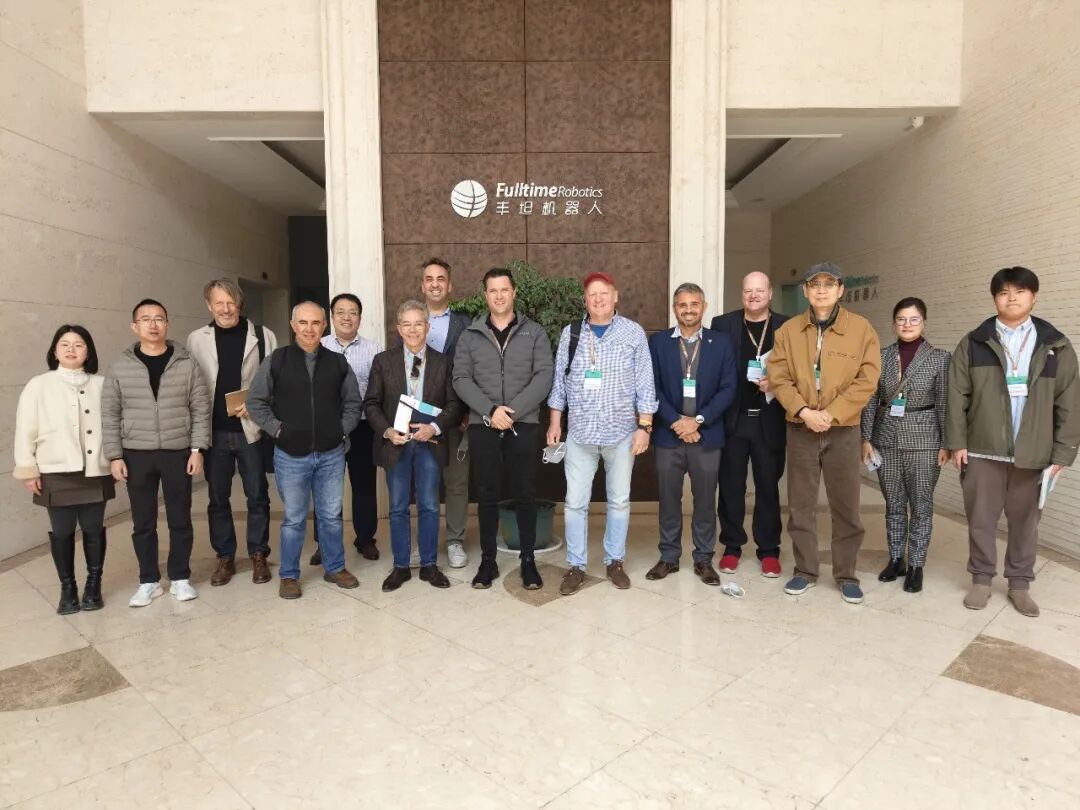
 On March 13, an international delegation led by Hans Peter Brøndmo, former Vice President of Google, visited Hangzhou Fulltime Robotics Co., Ltd. Comprising over ten senior executives and investors from renowned global enterprises, the group engaged in deep discussions on the technological innovation and global application prospects of construction robotics.
The delegation members, hailing from countries including the United States and Brazil, brought diverse backgrounds in robotics R&D and venture capital. Notable attendees included Hans Peter Brøndmo (Former VP of Alphabet/Google X, Founder of Everyday Robots), Bruce Graham (Early-stage VC, Director at Cellink and Limber Robotics), Alistair Scarfe (CTO of Yamaha Agriculture), and Howard Chao (Founder and CEO of Doon Insights). Xu Anpeng, CTO of Fulltime Robotics, extended a warm welcome to the delegation.
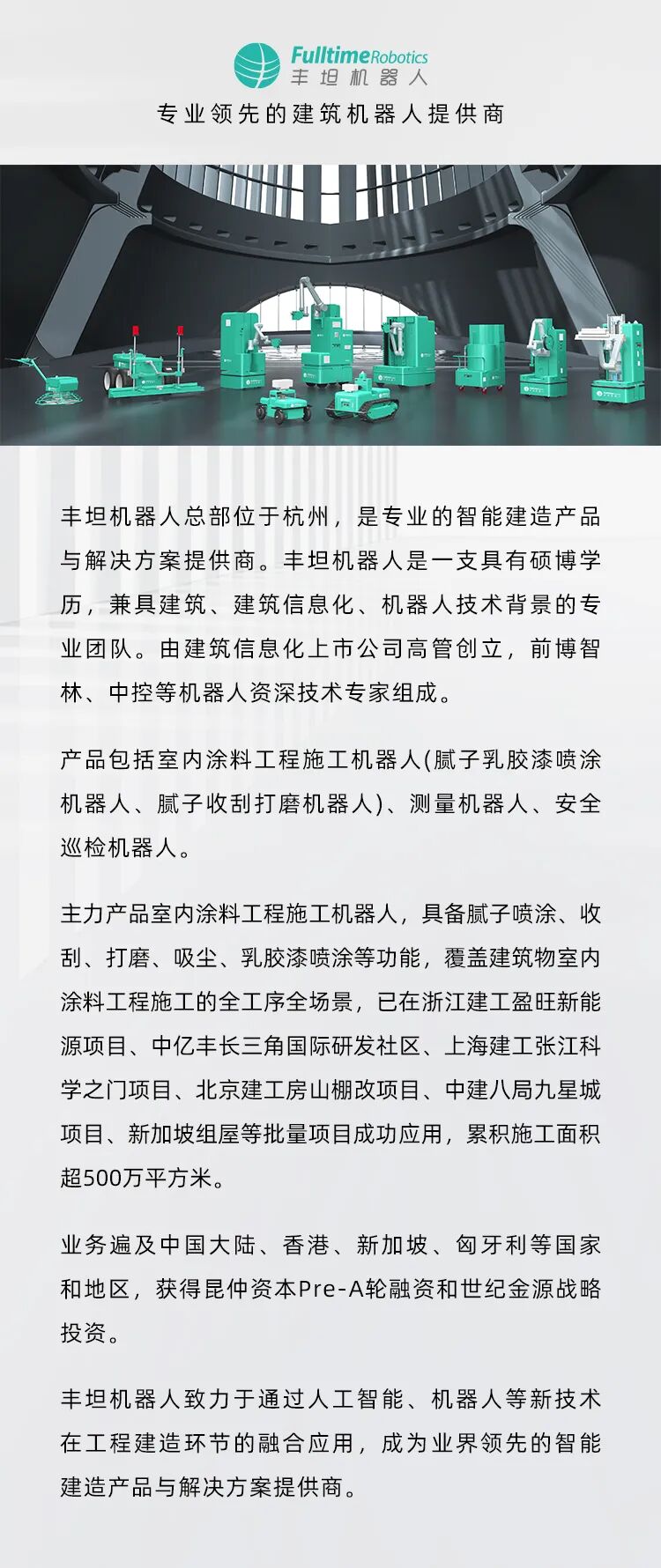
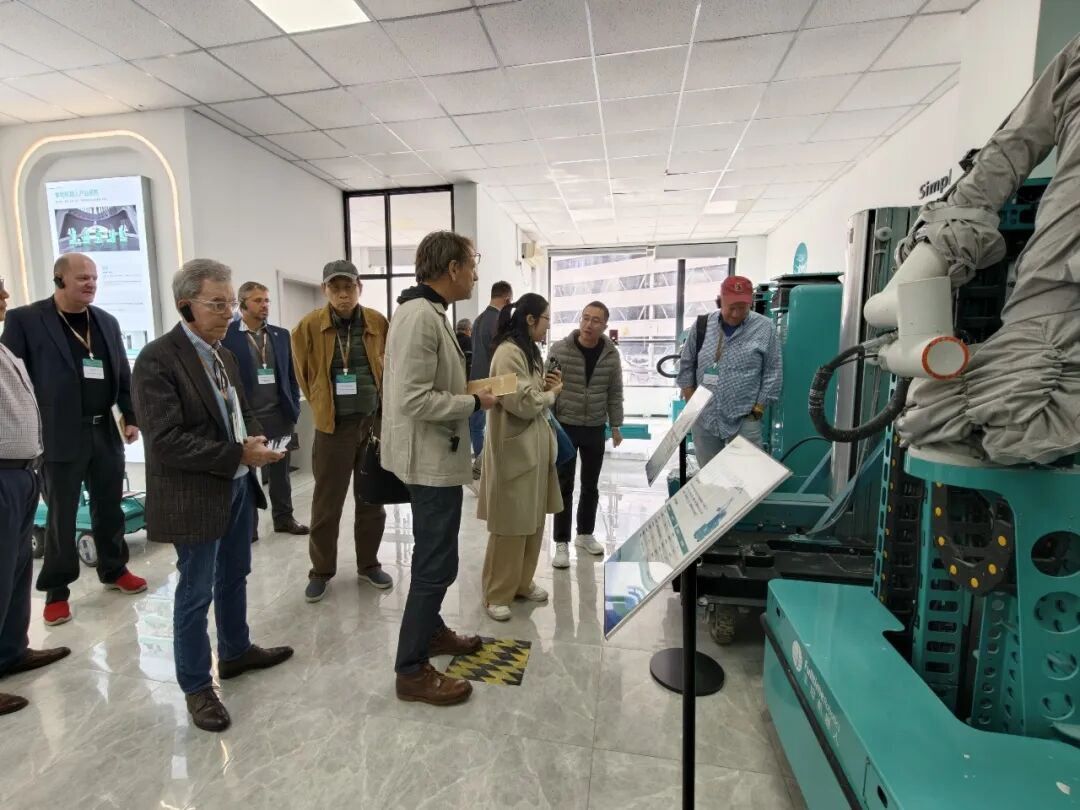
Accompanied by Xu Anpeng, the delegation toured the company's range of commercialized products. Several members candidly admitted that their previous understanding of construction robotics was limited to the "proof of concept" stage, and the scale of commercial deployment and engineering complexity on display far exceeded their expectations. During the tour, the guests engaged in professional and enthusiastic discussions on technical details such as human-robot collaboration logic and navigating unstructured environments.
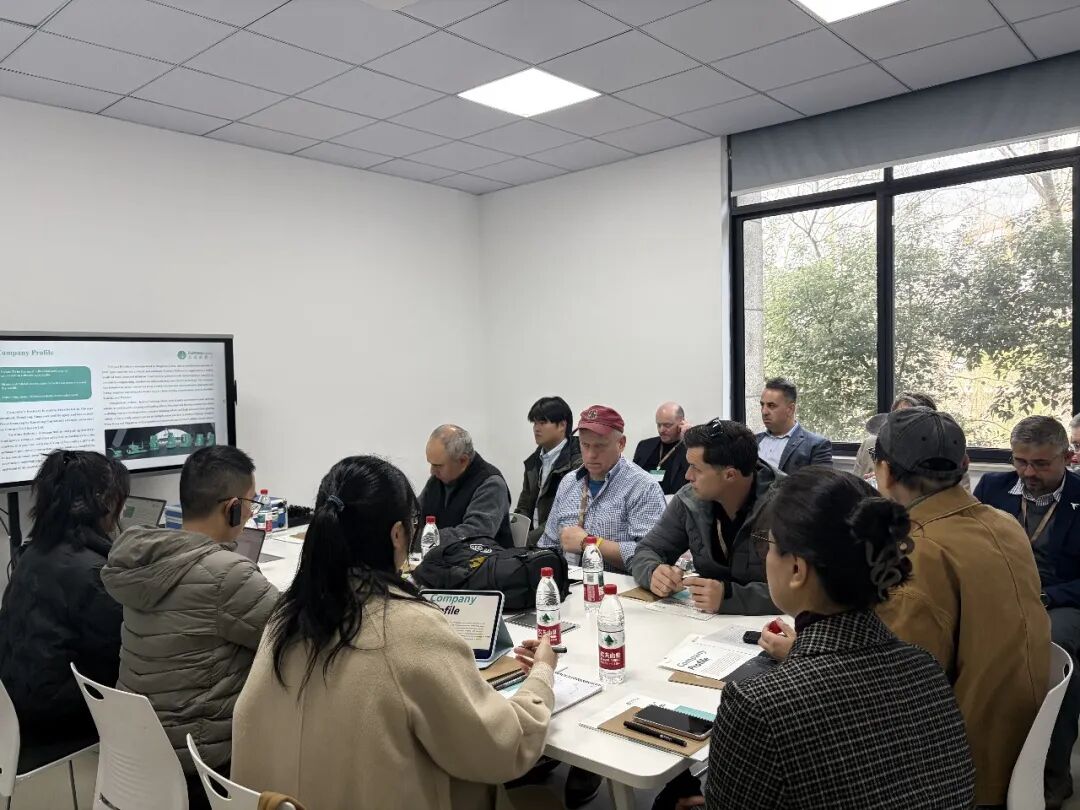
At the symposium, several delegation representatives shared their unique insights into the construction robotics industry, drawing from their respective backgrounds.
Hans Peter Brøndmo, former Google VP and Founder of Everyday Robots, remarked that his years leading robotics projects at Google X taught him that a robot's value lies not in its technical precision, but in its ability to solve real-world problems. He was deeply impressed by Fulltime's "tackle the hard problems first" approach—choosing the highly challenging construction scenario and achieving large-scale deployment. He pointed out that the replacement of traditional construction models by robotics is a systemic transformation, with industrial value extending far beyond mere efficiency gains.
From an investment perspective, early-stage VC Bruce Graham noted that the hardest hurdle for hard tech is bridging the gap between technical validation and large-scale deployment. He believes Fulltime's complete product system and reproducible on-site data are the core assets he values most when evaluating a company. He added that the construction robotics sector, with its strong inherent demand and low industry penetration, is at a critical inflection point for accelerated commercialization, holding immense long-term investment value.
Howard Chao, Founder and CEO of Doon Insights, stated that China has built a complete robotics manufacturing ecosystem—a systemic advantage in advanced productivity that is difficult to replicate in the short term. He also emphasized that construction robotics hold profound significance in ESG aspects, such as reducing occupational injuries, minimizing resource waste, and alleviating labor shortages, thereby offering both commercial returns and social responsibility. In his view, establishing cooperation with Chinese robotics companies has become an unavoidable strategic topic for multinational executives and investors.
Xu Anpeng expressed his gratitude for the visit and introduced Fulltime's core technological strengths in multi-sensor fusion perception, autonomous decision-making in unstructured environments, and human-robot collaborative systems. He pointed out that the highly non-standardized nature of construction sites is the biggest challenge for robot deployment. Fulltime has gradually built a stable technological barrier through continuous on-site data iteration and algorithm optimization. The company will continue to increase R&D investment in perceptual intelligence and motion control, promoting the application of its products in more construction scenarios globally.
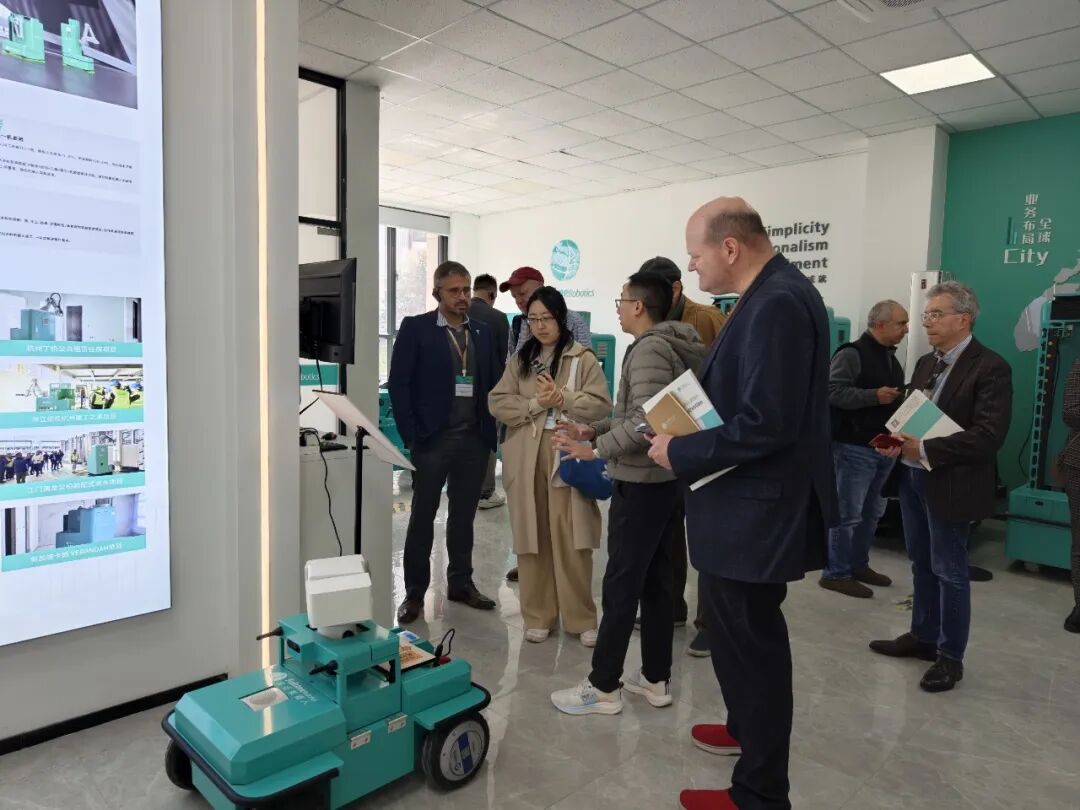
Currently, Fulltime Robotics is actively advancing its globalization strategy. It has established a wholly-owned subsidiary in Singapore, with overseas operations covering Singapore, Malaysia, Hong Kong, Eastern Europe, and other regions. This visit from the international delegation has further deepened the members' understanding of the current state and technological capabilities of China's construction robotics industry, laying a solid foundation for future international cooperation. Looking ahead, Fulltime Robotics will continue to operate with a global vision, increase R&D investment, and integrate AI and robotics into the construction industry, providing "Chinese solutions" for the global construction robotics sector.